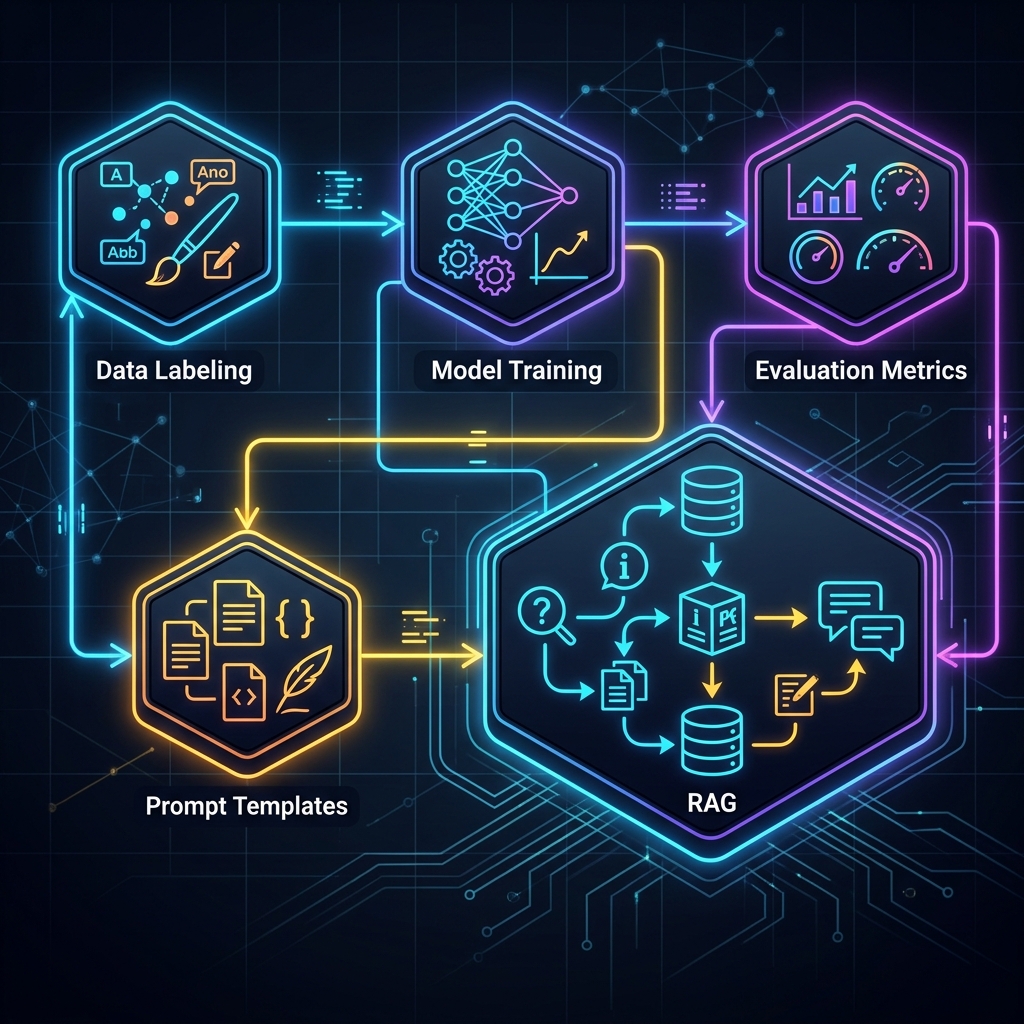
The Core AI Modules
Five high-performance, specialized AI subsystems designed to reduce cognitive load and deliver situational intelligence.
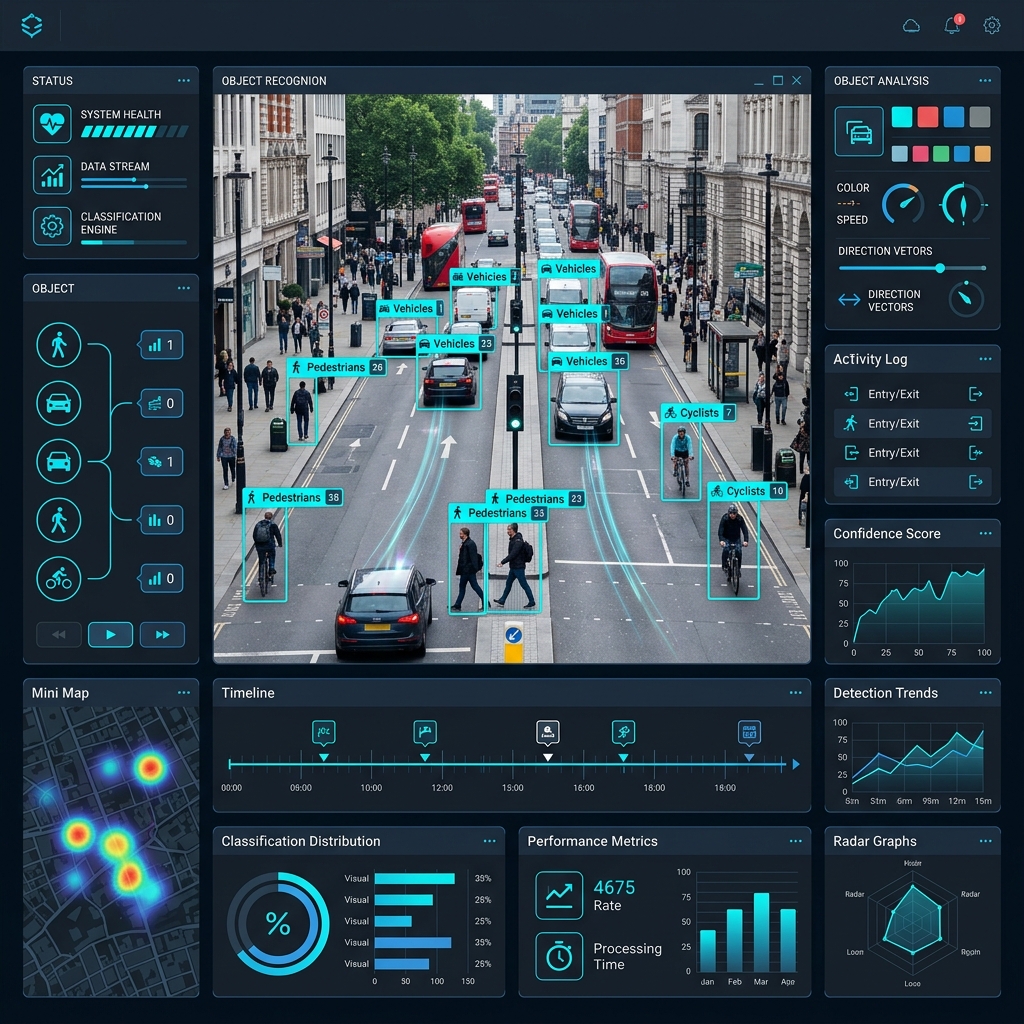
Image-Based Analytics & Processing
Our image classification and semantic segmentation engine analyzes high-resolution snapshots to categorize spatial components and isolate targets. It converts passive photographs into structured metadata, enabling automated cataloging and security sweeps.
- Object Segmentation
- Density Profiling
- Static Threat Detection
- Edge Tag Generation
Video Analytics & Processing
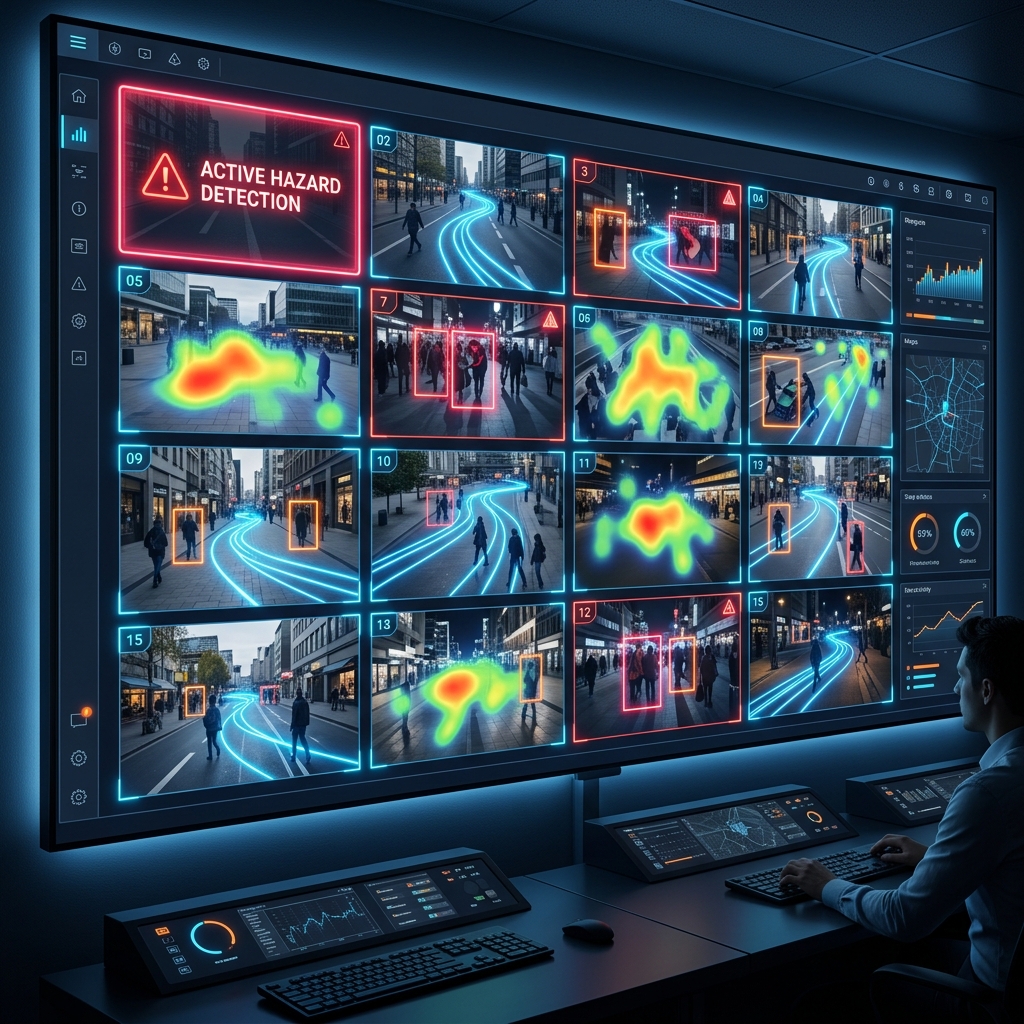
Transform municipal CCTV systems into active, hardware-accelerated monitoring nodes. Our real-time deep learning architecture tracks path vectors, estimates flow speeds, analyzes crowd clustering patterns, and triggers instant alerts for perimeter violations or safety threats.
- Multi-stream Processing
- Crowd Optical Flow
- Intrusion Zone Logic
- Action Classification
Analytical & Predictive Processing
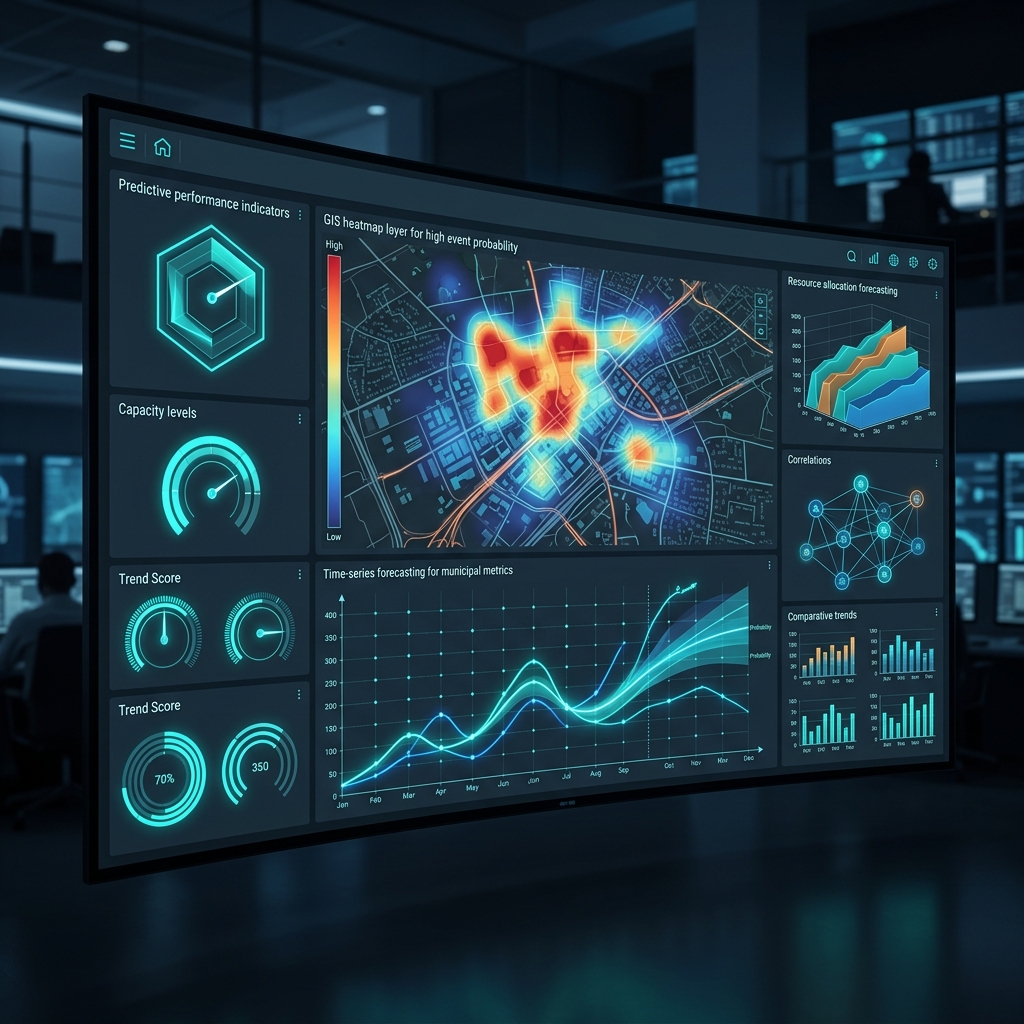
Harness historical databases and geographic spatial grids to model event probabilities. By calculating risk trendlines, forecasting resource demand peaks, and predicting structural anomalies, the analytical matrix supports municipal leaders in proactive safety planning.
- Demand Forecasting
- Spatial Risk Modeling
- Anomaly Trend Tracking
- Resource Auto-allocation
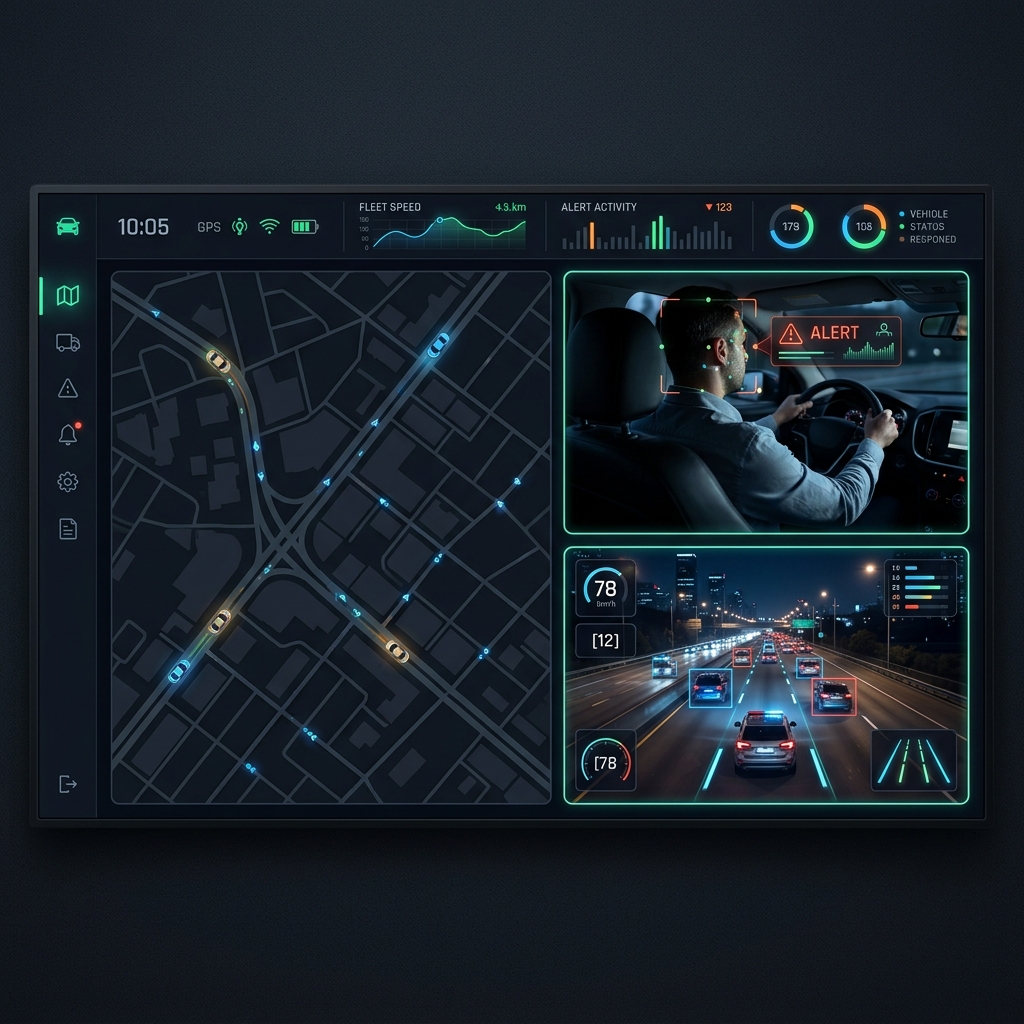
Enterprise In-Vehicle Monitoring System (IVMS)
A specialized, unified management dashboard tailored for municipal fleets, responders, and logistics units. Reconciles dual-facing dashcam streams, analyzes cabin telemetry to flag driver sleepiness or distraction, and records speed vectors, route GPS coordinates, and vehicle health anomalies.
- Dual-feed Dashcams
- Driver Safety Profiling
- Real-Time GPS Tracking
- Fleet Diagnostics Sync
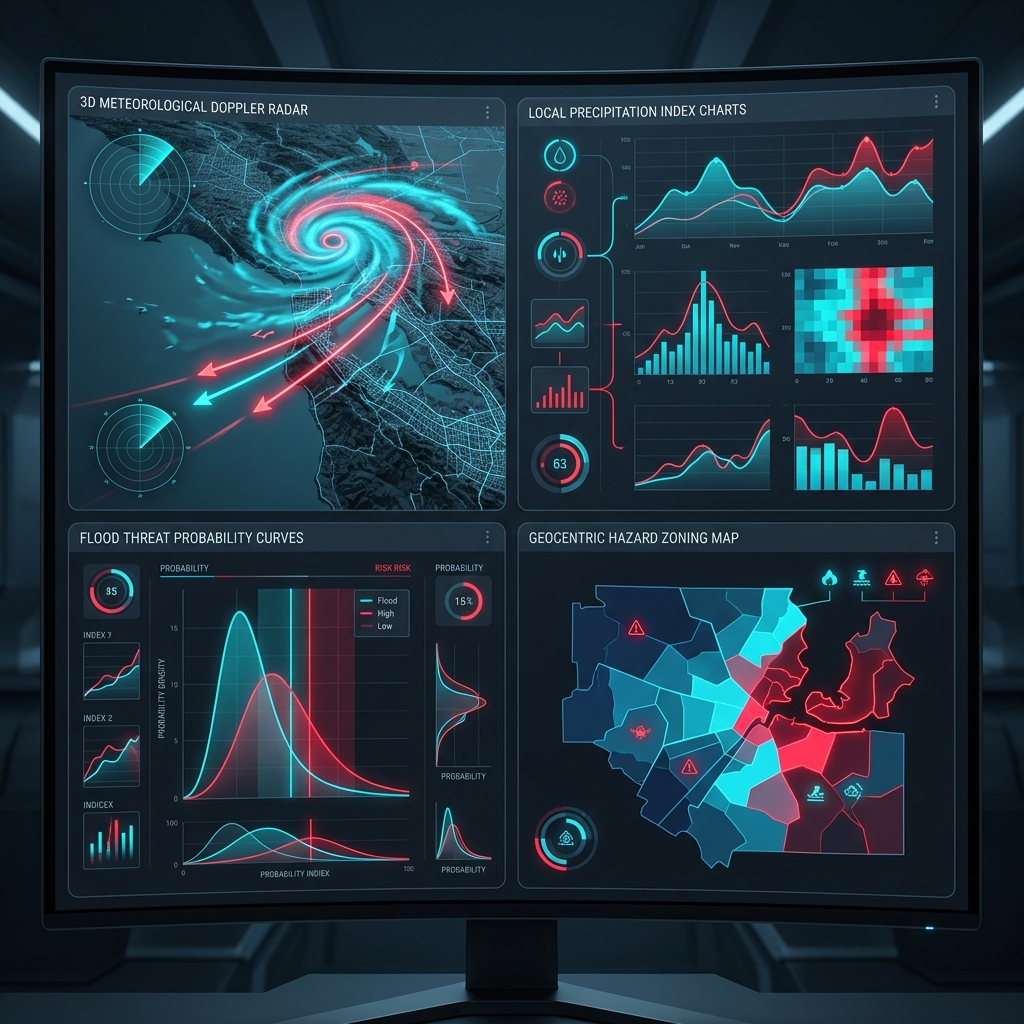
Localized Weather & Risk Analytics
Geographically localized weather threat forecasting that integrates regional meteorological Doppler grids, flood telemetry gauges, and soil saturation sensors. The system models precipitation indices and maps geocentric hazard zones, automatically warning affected sectors before severe incidents occur.
- Micro-climate Doppler Sync
- Flood Level Prediction
- Topographical Hazard Map
- Evacuation Warning System